
Many homeowners focus on replacing windows when energy bills rise, but often the real culprit is a failing seal. Understanding windows seal performance can help you prevent drafts, reduce utility costs, and extend the life of your windows. A properly functioning window seal keeps conditioned air inside your home while preventing moisture, dirt, and outdoor temperatures from entering.
Even high-quality windows can lose efficiency over time if seals deteriorate. The good news is that identifying and addressing seal issues early can save thousands of dollars in future repairs and energy expenses.
This guide explains how window seals work, common warning signs, and practical ways homeowners can maximize their home’s energy efficiency.
What Is a Window Seal?
A window seal is a protective barrier that closes gaps around and between window components. Its primary job is to prevent unwanted air and moisture infiltration.
Modern windows typically contain multiple sealing systems.
Common Types of Window Seals
- Insulated glass seals
- Weatherstripping seals
- Frame perimeter seals
- Glazing seals
- Spacer seals
Each component works together to create an airtight and energy-efficient barrier.
Why Window Seals Matter
Window seals play a critical role in maintaining indoor comfort.
When functioning correctly, they help homeowners:
- Reduce heating costs
- Lower cooling expenses
- Prevent moisture intrusion
- Improve indoor air quality
- Protect structural components
Ignoring deteriorating seals often leads to more expensive problems over time.
5 Warning Signs Your Window Seal Is Failing
Recognizing early symptoms can prevent major repairs.
1. Condensation Between Glass Panes
Moisture trapped inside double or triple-pane windows often indicates seal failure.
This condensation cannot be wiped away because it forms inside the insulated glass unit.
2. Rising Energy Bills
If heating and cooling costs suddenly increase, compromised seals may be allowing conditioned air to escape.
3. Noticeable Drafts
Cold or warm air near windows often signals deteriorating seals.
4. Water Intrusion
Rainwater entering around window frames can damage drywall, insulation, and wood framing.
5. Outdoor Noise Increases
Failed seals reduce sound insulation, allowing more outside noise into your home.
What Causes Window Seal Failure?
Several factors contribute to seal deterioration.
Age and Natural Wear
Like any building material, seals eventually break down over time.
Temperature Fluctuations
Continuous expansion and contraction place stress on sealing materials.
UV Exposure
Sunlight gradually degrades rubber and synthetic sealants.
Poor Installation
Improper installation can shorten window lifespan considerably.
Structural Movement
Homes naturally settle over time, affecting window alignment.
Routine inspections can identify these issues before they worsen.
How Window Seals Impact Energy Efficiency
When homeowners ignore windows seal maintenance, HVAC systems work harder to compensate for air loss.
This increased workload causes:
- Higher monthly utility bills
- Reduced HVAC lifespan
- Uneven room temperatures
- Increased humidity levels
- Lower overall comfort
Even small leaks can significantly affect annual energy consumption.
DIY Inspection Tips for Homeowners
You can perform a basic seal inspection without specialized tools.
Visual Inspection
Look for:
- Cracked caulk
- Peeling weatherstripping
- Condensation
- Visible gaps
Draft Test
Hold your hand near the window perimeter on a windy day.
If you feel moving air, a leak may exist.
Flashlight Test
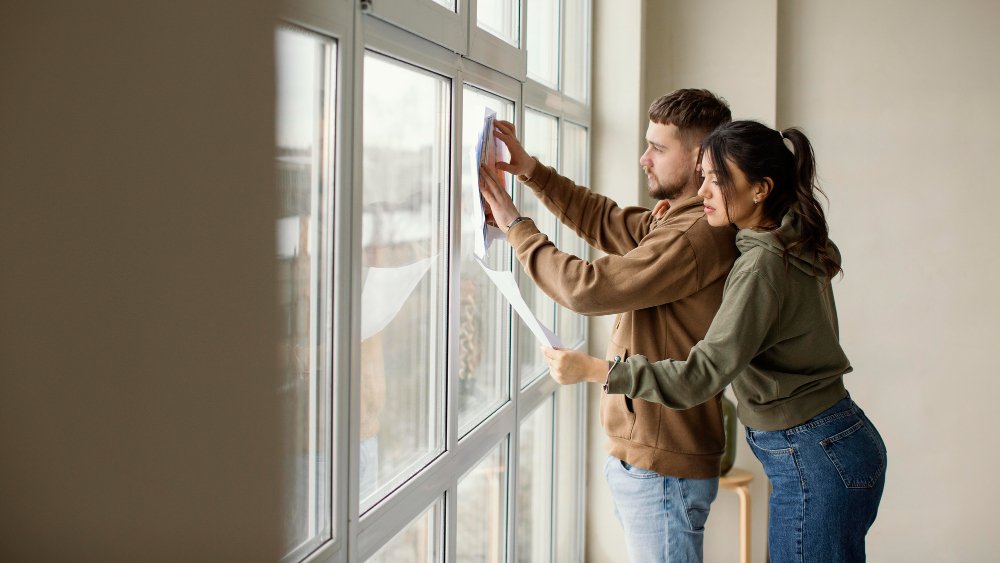
At night, shine a flashlight around the frame while another person stands outside.
Visible light often indicates gaps.
Repair vs Replacement: Which Is Better?
Not every seal issue requires a full window replacement.
Repair Is Often Suitable If:
- The windows are relatively new
- Only weatherstripping is damaged
- Minor caulking repairs are needed
- Frames remain structurally sound
Replacement May Be Necessary If:
- Glass seals have permanently failed
- Frames are warped
- Water damage is extensive
- Windows are over 20 years old
A professional inspection can determine the most cost-effective solution.
How to Extend Window Seal Lifespan
Preventative maintenance can add years to your windows.
Annual Maintenance Checklist
- Clean debris from tracks
- Inspect caulking
- Check weatherstripping
- Remove dirt buildup
- Lubricate moving components
Consistent care reduces premature wear.
Additional Ways to Improve Energy Efficiency
Window seals work best when combined with other home improvements.
Consider These Upgrades
- Add attic insulation
- Seal exterior penetrations
- Upgrade weather barriers
- Install energy-efficient windows
- Improve door seals
These investments can significantly lower long-term energy costs.
Homeowners researching window gasket solutions often discover that combining multiple efficiency upgrades provides the greatest return on investment.
Questions Homeowners Should Ask
- How old are my windows?
- Are utility bills increasing?
- Do I feel drafts near windows?
- Is condensation visible?
- Can repairs solve the issue?
Answering these questions helps prioritize upgrades.
Final Thoughts
Maintaining your windows seal system is one of the simplest ways to improve home comfort and reduce energy expenses. Although seals are often overlooked, they play a critical role in preserving indoor temperatures and protecting structural components.
Routine inspections, timely repairs, and preventative maintenance can extend window lifespan and prevent expensive replacements. Small improvements today can produce substantial savings over time.
Homeowners who proactively monitor their windows seal performance often enjoy lower energy bills, better indoor comfort, and increased property value for years to come.