Walk-In Shower Remodeling: Transforming the Modern Bathroom Through Thoughtful Design
Greener Home, Greener Planet
Every remarkable renovation begins with a question that reaches beyond materials and measurements. It asks not simply what should change, but how daily life could become better. In modern homes, few spaces embody this philosophy more completely than the bathroom—a room once viewed as purely functional that has gradually evolved into one of the home’s most personal retreats.
Among the many improvements homeowners consider, walk-in shower remodeling has emerged as one of the most meaningful. It is not merely about replacing an outdated enclosure or expanding a shower footprint. It is about reimagining movement, comfort, light, and simplicity. The finished space quietly supports everyday routines while creating an atmosphere that feels calm from the moment the door opens.
The appeal of a walk-in shower extends beyond contemporary design trends. It reflects a broader shift in how people think about their homes. Modern remodeling increasingly favors openness over separation, accessibility over limitation, and timeless craftsmanship over temporary fashion.
“The most beautiful bathrooms are designed not only to be seen, but to be experienced.”
That experience begins long before the first tile is installed. It starts with understanding how a room should feel—how natural light should move across its surfaces, how circulation should become effortless, and how every carefully selected material contributes to a quiet sense of harmony.
True luxury often reveals itself through absence rather than abundance. The fewer obstacles a room presents, the more naturally it welcomes the people who use it.
Chapter One: Rethinking the Modern Shower
For decades, bathrooms were designed around enclosure. Shower curtains divided the room visually. Framed glass interrupted sightlines. Raised curbs separated wet spaces from dry ones, often making even generously sized bathrooms feel smaller than they actually were.
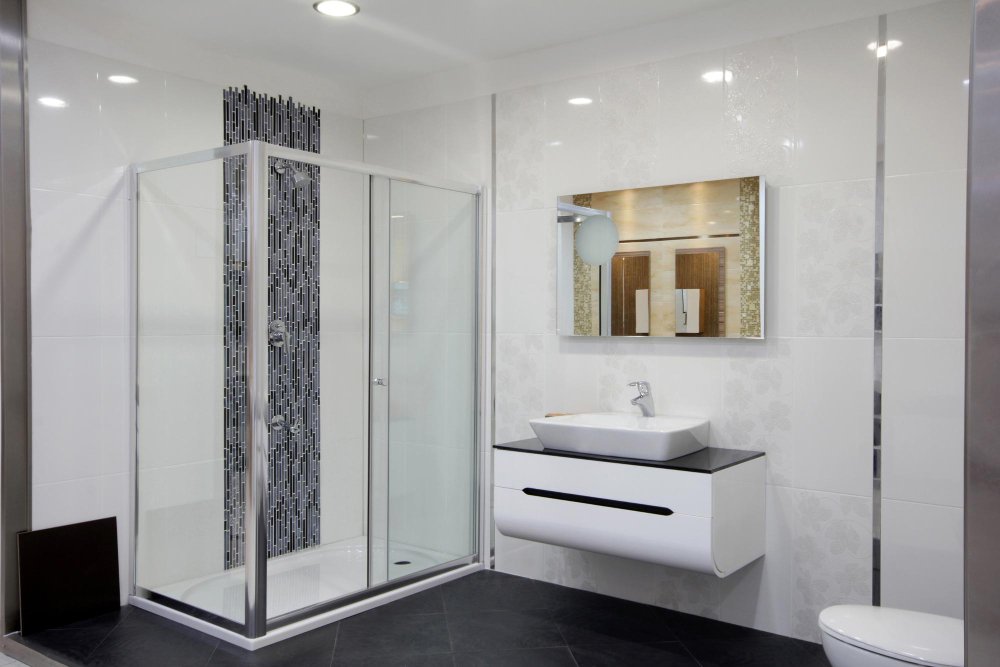
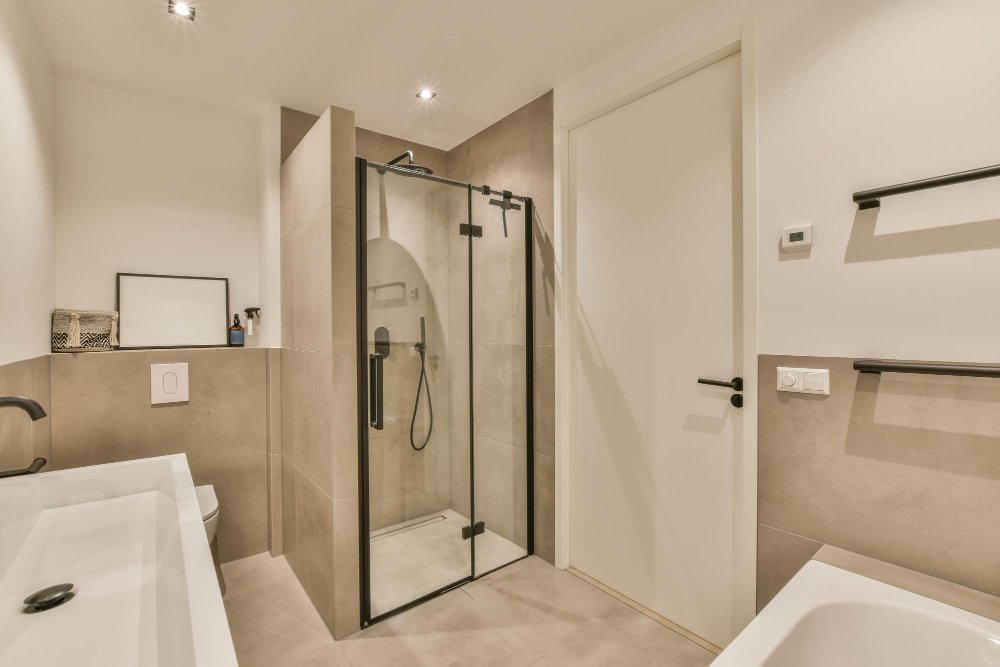
Today’s approach towalk-in shower remodeling embraces a very different philosophy. Rather than emphasizing boundaries, it celebrates openness. Frameless glass allows the eye to travel uninterrupted across the room, while carefully aligned tile patterns create continuity from one surface to another. The result is not simply a larger-looking bathroom but one that feels noticeably lighter, calmer, and more inviting.
Space is not measured only by square footage. It is equally defined by how freely light, movement, and perspective are allowed to flow.
Barrier-free designs have become one of the defining characteristics of contemporary bathrooms. By minimizing changes in floor elevation and reducing visual interruptions, these showers create an environment that feels intuitive to navigate. Accessibility becomes a natural consequence of thoughtful design rather than an obvious accommodation.
Natural light also assumes a more significant role within these spaces. Morning sunlight reflecting across porcelain tile, subtle variations within natural stone, and the transparency of frameless glass combine to create an atmosphere that changes continuously throughout the day. Even artificial lighting is no longer treated as a purely functional necessity. Carefully layered illumination introduces depth, highlights textures, and gently reinforces the architecture without overwhelming it.
The emotional experience of the room evolves as well. A shower becomes more than a place to begin the morning or end the evening. It becomes a quiet pause between the demands of everyday life—a space where simplicity encourages relaxation rather than distraction.
The finest rooms rarely compete for attention. Instead, they invite us to slow down long enough to appreciate their quiet confidence.
Material selection further strengthens this sense of permanence. Large-format porcelain tiles minimize grout lines and create uninterrupted visual planes. Quartz benches introduce warmth and practicality while providing moments of comfort. Linear drains disappear into the floor, allowing architectural lines to remain clean and uninterrupted. Recessed niches quietly organize toiletries without interrupting the surrounding surfaces.
Every decision, no matter how small, contributes to a larger composition. The placement of a shower valve, the proportion of a bench, the alignment of tile joints, and the width of a glass panel all influence how naturally the room functions. These details rarely attract immediate attention, yet together they create the effortless experience homeowners remember long after construction has ended.
Perhaps that is the defining characteristic of exceptional design: it quietly improves everyday life without ever asking to be noticed.
Chapter Two: Craftsmanship Behind Every Detail
There is a quiet truth shared by every beautifully designed bathroom: the elements that matter most are often the ones that remain invisible.
Long before polished fixtures catch the eye or elegant tile reflects the morning light, countless decisions have already determined whether the shower will perform beautifully for decades. Waterproof membranes hidden beneath finished surfaces, carefully sloped floors directing water toward linear drains, reinforced substrates, and precisely sealed transitions form the unseen foundation of lasting craftsmanship.
Beauty may capture attention, but thoughtful construction is what allows that beauty to endure.
Tile selection illustrates this balance perfectly. Homeowners often begin by comparing colors and patterns, yet experienced designers understand that scale, texture, and proportion influence the overall experience just as much as appearance. Large-format porcelain tiles create expansive visual planes with fewer grout lines, making the shower feel calmer and easier to maintain. Natural stone introduces rich variation and organic movement, while handcrafted ceramics contribute subtle character through their unique textures.
Drainage deserves equal consideration. Although it rarely becomes the focal point of a remodel, effective drainage quietly protects every surrounding material. Linear drains have become increasingly popular because they simplify floor layouts, support barrier-free entrances, and reinforce the clean architectural lines that define contemporary bathrooms.
Storage has evolved in similar ways. Instead of interrupting walls with bulky shelving, recessed niches create elegant, integrated spaces for everyday essentials. Floating benches provide comfort without overwhelming the room, while carefully positioned grab bars—often incorporated into towel bars or thoughtfully selected hardware—demonstrate how accessibility and sophisticated design can exist together.
“Great craftsmanship is revealed in the details most people never notice.”
Lighting completes the composition. Layered illumination transforms ordinary routines into calming experiences by balancing practical visibility with subtle atmosphere. Recessed ceiling fixtures provide even general lighting, while accent lighting beneath floating vanities or within shower niches introduces warmth and depth. Together with daylight filtering through carefully positioned windows or skylights, the room becomes dynamic, changing naturally from morning to evening.
Ventilation, though rarely discussed with the same enthusiasm as tile or fixtures, remains equally essential. Effective airflow protects finishes from excessive moisture, preserves grout and sealants, and contributes to healthier indoor air quality. Like waterproofing, it performs its greatest work quietly, allowing every visible material to maintain its beauty over time.
Exceptional remodeling is never defined by what homeowners see on the day of installation. Its true success becomes evident years later, when every carefully concealed detail continues doing exactly what it was designed to do.
Chapter Three: Creating a Bathroom That Lasts
Every successful renovation eventually reaches a moment when construction ends and daily life quietly resumes. The tools disappear, the protective coverings are removed, and the bathroom begins serving the purpose it was always meant to fulfill. Yet the greatest transformation often becomes apparent only after weeks and months of ordinary use.
The new walk-in shower changes familiar routines in subtle ways. Morning preparation feels less hurried within an open, thoughtfully organized space. Evening showers become opportunities to slow down rather than simply complete another task. Natural light reaches farther into the room, surfaces remain easier to maintain, and movement through the bathroom feels intuitive rather than restricted.
The finest spaces rarely ask us to admire them. Instead, they quietly improve the rhythm of everyday life.
This enduring quality explains why walk-in shower remodeling continues to appeal to homeowners planning for both the present and the future. Barrier-free entries support accessibility as needs evolve, premium materials resist years of daily use, and timeless design remains relevant long after individual trends have faded. What begins as a remodeling project gradually becomes an investment in lasting comfort.
Maintenance also becomes simpler when thoughtful planning guides every decision. Durable porcelain, quartz surfaces, quality plumbing fixtures, and carefully detailed waterproofing systems reduce ongoing upkeep while preserving the room’s refined appearance. Rather than requiring constant attention, the shower becomes a dependable part of everyday living.
Perhaps this is the true measure of craftsmanship. It creates spaces that continue performing beautifully without demanding recognition. Every concealed waterproof membrane, every precisely aligned tile joint, every carefully positioned fixture contributes to an experience that feels effortless precisely because so much care was invested from the very beginning.
Homes are remembered not only for the rooms they contain, but for the lives those rooms quietly support.
In the end, walk-in shower remodeling is about far more than enlarging a shower or updating finishes. It is the thoughtful creation of a space that balances elegance with function, beauty with durability, and contemporary design with timeless appeal. Long after the renovation is complete, its greatest achievement is not simply what it looks like—but how naturally it becomes part of everyday life.