“Every exceptional commercial roof tells a quiet story. It is a story of engineering that remains invisible because it succeeds every single day.”
Chapter One: A Roof Built for More Than Weather
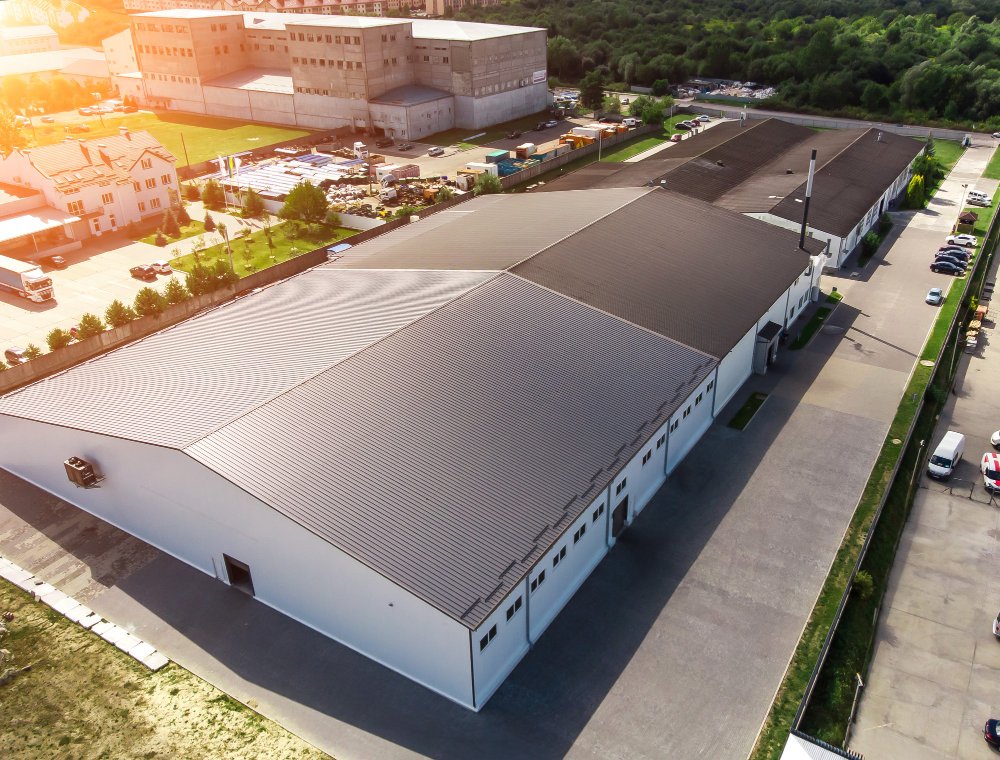
Most people view a commercial roof as a protective covering, but experienced building professionals understand that its purpose extends much further. A properly designed roofing system becomes an active part of the building envelope, influencing energy efficiency, moisture control, structural durability, and the uninterrupted operation of the business itself. For industrial facilities, the demands are particularly complex. Manufacturing equipment generates heat, ventilation systems require carefully sealed penetrations, and expansive roof areas must accommodate significant thermal movement throughout changing seasons. Distribution centers rely on uninterrupted protection for valuable inventory, while office buildings depend upon consistent indoor comfort that begins with effective insulation and waterproofing above. Retail environments introduce yet another perspective. Customers rarely notice the roof overhead, but they immediately recognize the consequences when it fails. A single leak can interrupt business, damage merchandise, and affect the experience visitors expect from a well-maintained commercial property. The roof therefore becomes part of the customer experience, even though it remains largely unseen. Modern commercial roofing reflects decades of engineering advancement. Today’s roofing systems combine high-performance membranes, precision-installed flashing, advanced insulation assemblies, and carefully planned drainage strategies. None of these components operates independently. Each depends upon the others to create a system capable of resisting moisture, controlling temperature, and protecting structural components through thousands of weather cycles. Perhaps the greatest strength of a commercial roof is not its ability to withstand a single storm, but its quiet commitment to every ordinary day that follows. Buildings evolve over time. Mechanical systems are upgraded, solar equipment may be installed, rooftop access increases, and operational demands continue changing. A thoughtfully designed roofing system anticipates those changes rather than simply responding to them. Flexibility, durability, and maintainability become just as valuable as waterproofing itself.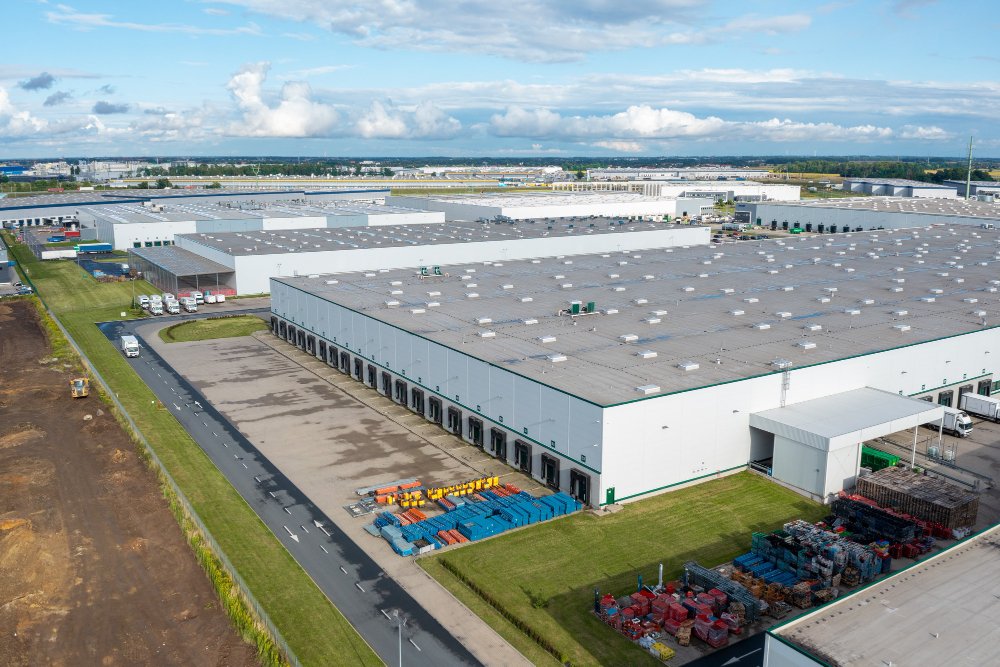
Chapter Two: The Architecture of Long-Term Protection
Every successful roofing project begins long before the first membrane is installed. It starts with understanding how the building functions, how water moves across the roof, where structural transitions occur, and how maintenance crews will interact with the finished system throughout its service life. There is a temptation to evaluate commercial roofs primarily through the lens of material selection. TPO, PVC, EPDM, Modified Bitumen, and Built-Up Roofing each have well-earned reputations within the industry. Yet materials alone do not determine performance. The true measure of a roofing system lies in the relationship between design, installation, and long-term maintenance. Drainage illustrates this principle particularly well. Water naturally seeks the lowest point, and every commercial roof must guide that movement with precision. Proper slope, strategically positioned drains, correctly integrated flashing, and carefully sealed penetrations work together as a unified system. When even one element fails to perform, moisture often finds opportunities that remain invisible until damage has already developed beneath the surface. Installation quality deserves equal attention. Two buildings may receive identical roofing materials, yet perform very differently over the following decades. The difference frequently lies in craftsmanship—the careful alignment of membrane seams, the precision of flashing details, the secure integration of rooftop equipment, and the discipline required to complete every stage according to established best practices rather than convenient shortcuts. Craftsmanship is rarely recognized because it attracts attention. It is recognized because, year after year, there is simply nothing that demands attention.Chapter Three: Building Confidence That Lasts
Every commercial property eventually reaches a moment when its owners must decide how they will protect the future of the building. Sometimes that decision follows years of dependable performance. Other times it arrives after an unexpected storm or the discovery of a persistent leak. Regardless of the circumstances, the conversation ultimately extends far beyond roofing materials. It becomes a discussion about reliability, business continuity, and the confidence that comes from knowing the building is prepared for whatever tomorrow may bring. For facility managers and property owners, that confidence is invaluable. A dependable roof allows businesses to focus on serving customers instead of reacting to emergencies. It protects valuable equipment, preserves interior finishes, supports energy efficiency, and reduces the uncertainty that often accompanies aging building systems. These benefits cannot always be measured by a single inspection report, yet they shape the daily operation of the property in meaningful ways. Maintenance also becomes part of this ongoing story. The strongest commercial roofs are not forgotten after installation—they are observed, inspected, and cared for throughout their service life. Small adjustments made today often prevent major repairs years later. A routine inspection may reveal early flashing wear, a partially obstructed drain, or sealant beginning to age naturally. Addressing these details while they remain minor helps preserve the integrity of the entire roofing system. This philosophy is especially valuable for organizations responsible for multiple facilities. Office campuses, industrial complexes, shopping centers, and logistics hubs all benefit from consistent maintenance strategies that reduce long-term operating costs while improving planning and budgeting. Rather than responding to unexpected failures, property managers can make informed decisions based on the actual condition of their roofing assets. For owners seeking dependable roofing for retail buildings in Lake Tahoe, this broader perspective becomes increasingly important. Retail properties must remain welcoming, functional, and operational throughout changing seasons. A well-designed commercial roof quietly supports that objective by protecting merchandise, maintaining comfortable indoor conditions, and allowing businesses to continue serving customers without interruption. The finest commercial roofs rarely announce their value. They reveal it through years of dependable performance, allowing businesses to grow without interruption while the roof continues fulfilling its purpose above.“Buildings succeed because every system performs its role. Roofing succeeds because, when it is designed and maintained correctly, few people ever need to think about it.”Viewed through this lens, industrial and commercial roofing is not simply another phase of construction. It is an investment in the future of the property and in the people who rely on that property every day. The roof protects more than structural components—it protects productivity, business relationships, customer experiences, and the confidence that operations can continue regardless of changing weather conditions. That is why experienced commercial roofing professionals approach every project with patience, technical knowledge, and careful attention to detail. Every flashing detail, drainage pathway, insulation layer, and membrane seam contributes to a larger objective: creating a roofing system capable of delivering reliable performance for decades rather than merely completing another construction project. In the end, the most successful commercial buildings are not defined by the materials visible from the ground. They are defined by the thoughtful decisions hidden within their construction—decisions that continue protecting people, businesses, and investments long after the final inspection has been completed. A professionally designed and maintained roof becomes one of those enduring decisions, quietly supporting the life of the building through every season that follows.